
Navigating the Emotional Terrain: Understanding the Psychological Impact of a Cancer Diagnosis
Facing a cancer diagnosis can feel like an emotional storm sweeping through your life. The psychological impact of cancer is profound, touching every corner of your mind and heart. But you're not alone, and together we can explore ways to build emotional resilience and nurture mind-body wellness. In this post, we'll walk through practical strategies to support your mental well-being and empower you on this journey. Join our community at The Cancer Conversation and discover how holistic cancer support can make a difference today.
Join our community at The Cancer Conversation and explore our resources to support your emotional and mental well-being during this journey.## Understanding Cancer Diagnosis Emotions

Understanding the emotional impact of a cancer diagnosis is crucial for those affected and their loved ones. Feelings often fluctuate from disbelief to anxiety, and understanding this emotional terrain can help in managing these responses better.
Facing the Diagnosis
When first confronted with a cancer diagnosis, individuals often experience a whirlwind of emotions. Shock and disbelief are common initial reactions. It is completely normal to feel overwhelmed as you process the news. Acknowledging these feelings can be a crucial first step.
An example from the National Cancer Institute illustrates how some patients describe feeling as if they're in a fog, unable to think clearly. This emotional response can vary widely, with some experiencing anger or sadness, while others might feel a sense of relief that the uncertainty is over.
Initial shock may lead to difficulty concentrating.
Emotional numbness can create a temporary sense of disconnection.
Feeling overwhelmed is a frequent and natural response.
Understanding these initial reactions is vital in preparing to navigate the emotional landscape of a cancer diagnosis.
Emotional Rollercoaster Explained
A cancer diagnosis often leads to an emotional rollercoaster. The fluctuations can be confusing, but they are a natural part of the process. According to recent research, many individuals experience highs and lows as they adjust to their new reality.
Fear and anxiety about the future are common. Patients often worry about treatment, its side effects, and the impact on their lives. Recognizing these fears is the first step in managing them effectively.
Fear of the unknown can lead to increased anxiety.
Worrying about treatment side effects is common.
Concerns about family and work can add to emotional stress.
Finding ways to cope with these emotions can help patients maintain a better quality of life during their treatment journey.
Building Cancer Emotional Resilience

Building emotional resilience is essential for coping with the psychological impact of a cancer diagnosis. This section explores strategies and practices that can strengthen mental well-being and foster a sense of control amidst uncertainty.
Strategies for Mental Strength
Developing mental strength is crucial in managing the emotional challenges of cancer. Here are practical strategies to consider:
1. Mindfulness and meditation can help in staying grounded and focused on the present moment.
2. Journaling your thoughts and feelings allows for emotional expression and clarity.
3. Connecting with others who understand the journey can provide support and reduce feelings of isolation.
A patient testimonial from Georgetown University's blog highlights the power of community. Sharing experiences with others who understand can be incredibly healing.
These strategies not only help in building resilience but also empower individuals to take an active role in their emotional well-being.
Mind-Body Wellness Practices
Mind-body wellness practices play a significant role in enhancing emotional resilience during cancer treatment. Integrating these practices can lead to improved mental health and overall well-being.
Yoga and tai chi are gentle exercises that promote relaxation and stress reduction. As highlighted in a study, these activities help in balancing mental and physical health.
Deep breathing exercises can alleviate anxiety.
Progressive muscle relaxation aids in reducing tension.
Visualization techniques encourage positive thinking.
Implementing these practices can support a more holistic approach to cancer treatment, focusing on both mind and body.
Holistic Cancer Support Resources
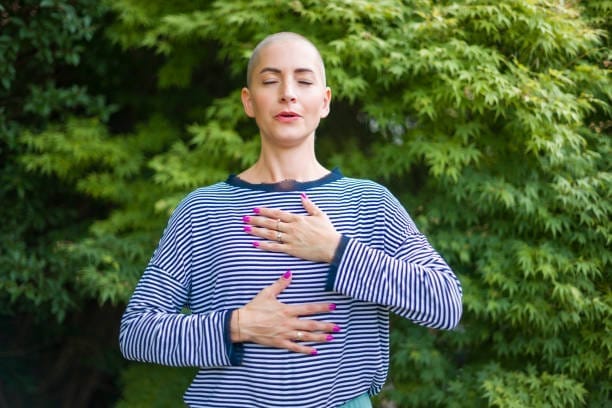
Holistic support resources are crucial for those affected by cancer, offering comprehensive assistance that addresses both physical and emotional needs. This section delves into the importance of community and professional guidance.
Community and Connection
Community support provides a crucial network for individuals diagnosed with cancer. Connecting with others who share similar experiences can significantly impact emotional well-being.
Participating in support groups, whether in-person or online, can foster a sense of belonging. According to research, sharing personal stories can offer comfort and understanding.
Online forums provide 24/7 access to a supportive community.
Local support groups offer face-to-face interaction and connection.
Peer mentorship programs match individuals with experienced cancer survivors.
These connections can help reduce feelings of isolation and provide invaluable emotional support.
Professional Guidance and Advice
Professional guidance is essential in navigating the emotional complexities of a cancer diagnosis. Seeking advice from mental health professionals ensures a supportive environment to explore feelings and develop coping strategies.
Therapists and counselors specializing in cancer care provide tailored support. According to studies, therapy can significantly improve mental health outcomes.
Individual counseling offers personalized support.
Group therapy sessions provide a communal space for sharing and healing.
Cognitive-behavioral therapy (CBT) helps reframe negative thinking patterns.
Accessing professional support can be a key component in building resilience and maintaining mental well-being throughout the cancer journey.
Explore The Cancer Conversation for expert insights on natural and alternative cancer treatments. Discover holistic approaches, empowering advice, and evidence-based solutions to support your journey to wellness.







Opening Hours
charles@the-cancer-conversation.com
USA: +1-347-783-9136
UK: +44-743-204-9155
Monday to Friday, 9am to 6pm
Copyright © 2026 The Cancer Conversation. All rights reserved.