
Empower Your Future: Lifestyle Changes to Lower Cancer Risk
Empower Your Future: Lifestyle Changes to Lower Cancer Risk
Most people believe cancer risk is mostly about genetics—but lifestyle changes play a bigger role than you might think. Taking simple steps in your daily routine can reduce cancer risk and strengthen your overall well-being. Let’s explore how cancer prevention through mindful lifestyle choices gives you real control over your health and future. Read more here.
Empower Through Nutrition
Your diet plays a huge role in your cancer risk. It's not just about cutting calories; it's about adding the right foods to your plate. Let’s dig into how nutrition can protect you.
Fruits and Vegetables for Cancer Prevention
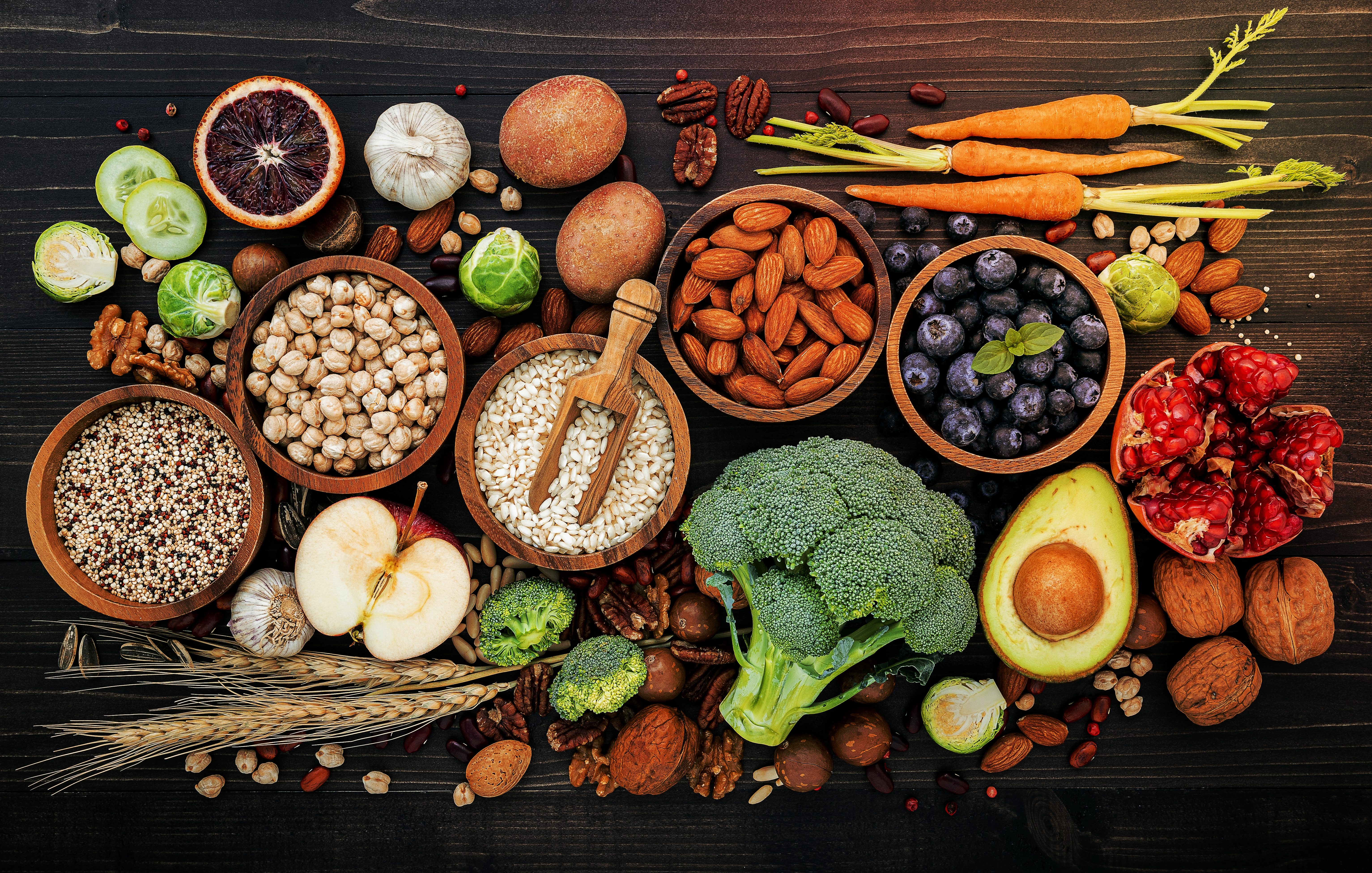
Eating a variety of fruits and vegetables can be your first line of defense against cancer. These foods are rich in vitamins, minerals, and antioxidants that protect your cells from damage. Aim to fill half of your plate with colorful produce at each meal. Carrots, spinach, berries—mix them up for the best benefits. Did you know that consuming just 5 servings of fruits and vegetables daily can lower your cancer risk by about 20%?
Besides adding nutrients, these foods also help you maintain a healthy weight. Obesity is linked to several types of cancer, so keeping those extra pounds off can be a powerful preventive step. Need some inspiration? Start with a simple fruit salad or add a side of roasted vegetables to your dinner. Learn more about fruits and veggies here.
Benefits of Whole Grains and Fiber
Whole grains like oats, brown rice, and whole wheat provide fiber that keeps your digestion smooth and helps flush out potential carcinogens. Eating just 25 grams of fiber a day can lower your risk of developing colorectal cancer. Switching to whole grain bread or trying a new grain like quinoa can be easy changes that make a difference.
Fiber also supports a healthy gut, which is crucial for your immune system. Your gut is home to trillions of bacteria that play a role in both digestion and disease prevention. An easy way to boost your fiber intake is to start your day with a bowl of oatmeal or swap white rice for brown rice at dinner. Remember, every small change adds up.
Reducing Processed Foods and Sugars
Processed foods often contain additives and sugars that can increase inflammation and cancer risk. Foods high in sugar and unhealthy fats contribute to weight gain and increased cancer risk. Cutting back on sugary drinks and snacks can help keep your weight in check. Try replacing soda with water or tea and choose whole foods over processed ones. Explore more tips on reducing processed foods.
These changes might seem small, but over time they can make a big impact. By focusing on whole, natural foods, you're not only reducing your cancer risk but also boosting your overall health.
Active Lifestyle Choices

Nutrition is just one part of the puzzle. How you move your body also affects your cancer risk. Let’s look at how staying active can help you stay healthy.
Importance of Regular Exercise
Exercise is a powerful tool in reducing cancer risk. Just 30 minutes of moderate exercise daily can lower your risk of breast and colon cancer. Activities like walking, cycling, or even gardening can increase your heart rate and improve your health. Exercise helps control weight, balance hormones, and boost your immune system.
Don’t worry if you’re not a gym enthusiast. The key is consistency. Find something you enjoy—try a dance class or a morning jog with a friend. The more you move, the more you protect your body from cancer.
Managing Stress for Mind-Body Wellness
Stress impacts your health in many ways, including increasing your cancer risk. Finding ways to manage stress is crucial for your mind and body. Techniques like meditation, yoga, and deep-breathing exercises can help lower stress levels. Even a few minutes of mindfulness each day can make a big difference.
Stress triggers the release of hormones that can weaken your immune system. By practicing stress-reducing techniques, you’re not only finding peace but also strengthening your body’s defenses. Remember, your mental health is just as important as your physical health.
Sleep’s Role in Cancer Support
Sleep is your body’s time to repair and rejuvenate. Not getting enough rest can affect your immune system and increase cancer risk. Aim for 7-8 hours of quality sleep each night. A consistent sleep schedule can help improve sleep quality.
Create a bedtime routine that helps you relax, like reading a book or taking a warm bath. Avoid screens before bed as the blue light can interfere with your sleep. By prioritizing rest, you give your body the chance to heal and fight off potential threats.
Mindful Health Habits

Beyond diet and exercise, other lifestyle choices can impact your cancer risk. Let’s explore how mindfulness in your habits can lead to better health outcomes.
Limiting Alcohol and Tobacco Use
Alcohol and tobacco are significant risk factors for cancer. Reducing or eliminating these can greatly decrease your risk. If you smoke, seek support to quit. Even cutting back on alcohol can lower your risk. Consider setting limits, like no more than one drink a day for women and two for men.
Quitting smoking is one of the best decisions you can make for your health. Many resources are available to support you on this journey. Remember, each small step you take towards quitting can have a significant impact on your health.
Building a Supportive Community
Having a strong support network can influence your health. Friends, family, or support groups can provide emotional support and encouragement. Sharing your goals with others can help you stay motivated and accountable.
Community support can also provide practical help, like sharing healthy recipes or going for walks together. Remember, you don’t have to make these changes alone. Lean on your community for support and encouragement. Find more about building supportive networks.
Exploring Integrative Treatment Options
Integrative treatments combine traditional medicine with holistic approaches, addressing both the mind and body. Techniques such as acupuncture, massage, and nutritional therapies can complement conventional treatments.
These options can help manage symptoms and improve quality of life during cancer treatment. They focus on treating the whole person, not just the disease. Always discuss with your healthcare provider before starting any new treatment to ensure it’s safe for you. Discover more about integrative treatment options.
🌟
Remember, preventing cancer is not about perfection but progress. Each small change you make to improve your lifestyle brings you one step closer to better health. Take charge of your well-being by making informed choices today.