

Empowering Your Health: Proactive Strategies for Managing Cancer Risk
Empowering Your Health: Proactive Strategies for Managing Cancer Risk
Cancer risk management isn’t about luck—it’s about the choices you make every day. When you understand preventive cancer strategies, you gain tools to protect your health and feel more in control. Let’s explore simple, practical steps that support your whole well-being and help build resilience against cancer, starting now. Join our community to learn how to take charge with confidence.
Lifestyle Changes for Cancer Prevention
Starting with small changes can make a big impact on your health journey. By focusing on the essentials, you can lay a strong foundation for reducing your cancer risk.
Nutrition and Diet Tips
Eating well is one of the simplest steps to boost your health. A diet rich in fruits and vegetables can lower cancer risk by up to 30%. Aim for at least five servings daily. When you fill your plate with colorful produce, you provide your body with antioxidants that fight harmful cells.
Whole grains and lean proteins are also essential. These foods keep you full and help maintain a healthy weight, which is crucial. Being overweight can increase your risk of various cancers, so portion control is key. Consider swapping red meat for beans or fish a couple of times a week. If you're curious about what to eat more, Mayo Clinic offers a handy guide to cancer-preventive foods.
Importance of Regular Exercise
Moving your body daily is a powerful preventive measure. Just 30 minutes of moderate exercise like brisk walking can lower your cancer risk significantly. Inactivity can be as dangerous as smoking, so make exercise a daily habit.
Exercise doesn't have to be a chore. Find an activity you love—be it dancing, cycling, or yoga—and make it part of your routine. Regular movement helps regulate hormones and boosts your immune system. Both of these effects contribute to cancer prevention. Don't underestimate the power of a simple walk in the park; it can be a game-changer for your health. For more ideas, check out this resource to start your fitness journey.
Mind-Body Wellness Practices

Beyond physical health, your mental well-being plays a crucial role in cancer prevention. Let's explore how calming your mind can strengthen your body.
Stress Reduction Techniques
Stress isn't just a mental challenge; it can have physical effects too. High stress levels can contribute to cancer risk. But here's the good news: learning to manage stress can be straightforward. Deep breathing exercises, for instance, can instantly bring calm.
Another quick stress-buster is taking a moment to journal. Writing down your thoughts helps release pent-up emotions. When stress feels overwhelming, remember that small actions can make a big difference. Most people think managing stress requires a complete lifestyle overhaul, but sometimes, a few minutes of calm are all you need.
Benefits of Mindfulness and Meditation
Practicing mindfulness helps keep your mind in the present moment, reducing anxiety. Studies show that regular meditation can lower stress hormones, which might reduce cancer risk. Just a few minutes a day can yield significant benefits.
Mindfulness isn't just meditation—it's about being fully engaged with whatever you're doing. Whether you're eating or walking, focus on the experience. This practice can enhance your overall well-being and help you feel more centered. Curious about how to get started? Here’s a resource that outlines simple steps to begin your mindfulness journey.
Seeking Integrative Cancer Care
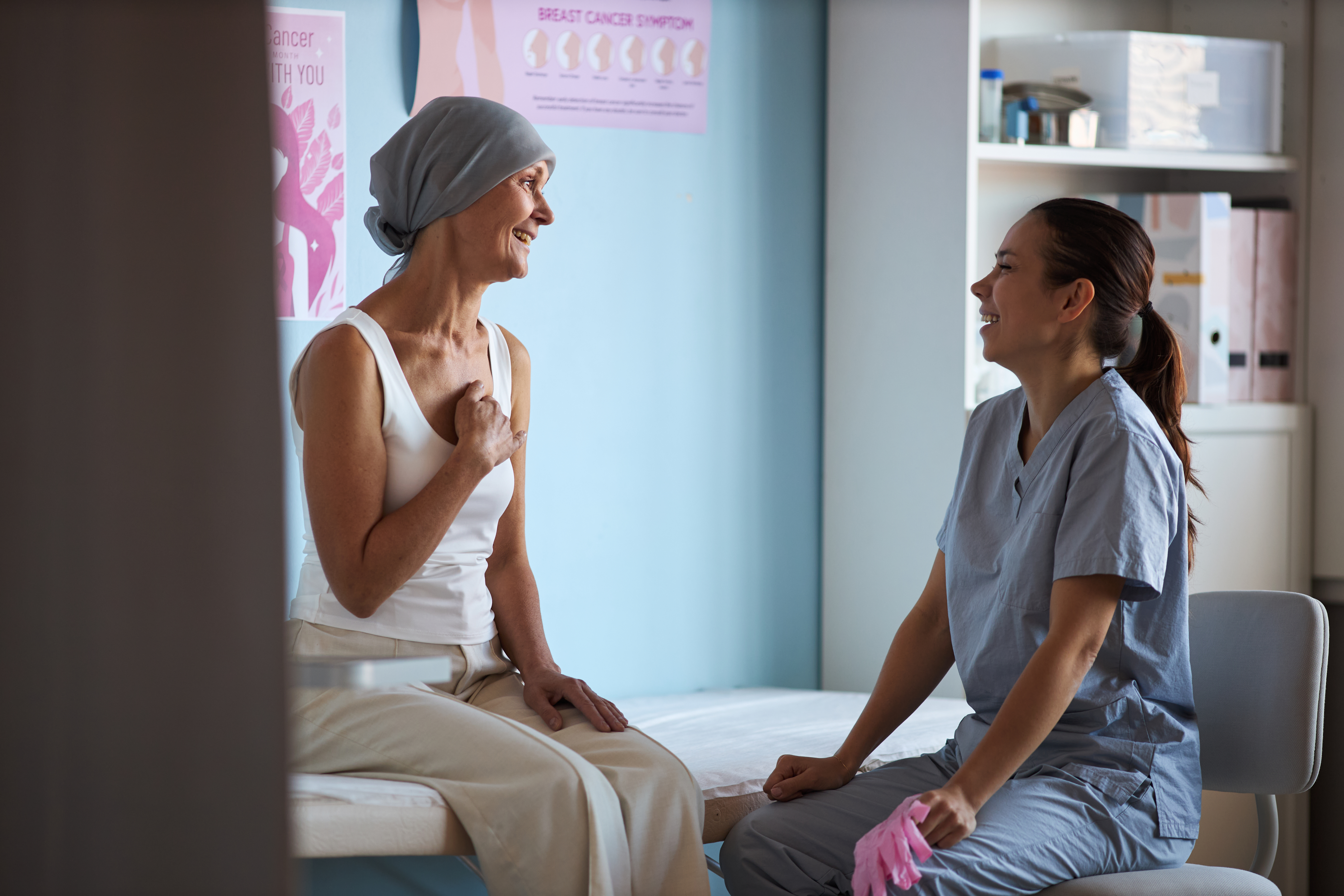
Combining different approaches can offer comprehensive support on your journey to wellness. Integrative care combines conventional and alternative methods for a holistic approach.
Combining Traditional and Alternative Treatments
Considering both traditional and alternative treatments offers a balanced path to health. Conventional treatments target the disease, while alternative methods support overall wellness. Acupuncture, for example, can help manage treatment side effects.
Before starting any new treatment, consult your doctor. A collaborative approach ensures that all methods work together safely. Many find that this balance not only aids in treatment but also enhances their quality of life. Resources like this guide can help inform your decisions.
Building a Supportive Community
Having a supportive community can be a pillar of strength. Sharing experiences with others in similar situations can provide comfort and motivation. Engaging with support groups offers practical tips and emotional support, creating a sense of belonging.
You’re not alone on this journey. Connecting with others who understand your experiences can make a world of difference. Whether through online forums or local meet-ups, these connections foster resilience and hope. Remember, the longer you wait to build this network, the more isolated you may feel. Reach out today to find your tribe and start thriving together.
🌟
By exploring these strategies, you're taking proactive steps toward managing your cancer risk. Empower yourself with knowledge and community support to thrive on your health journey.