
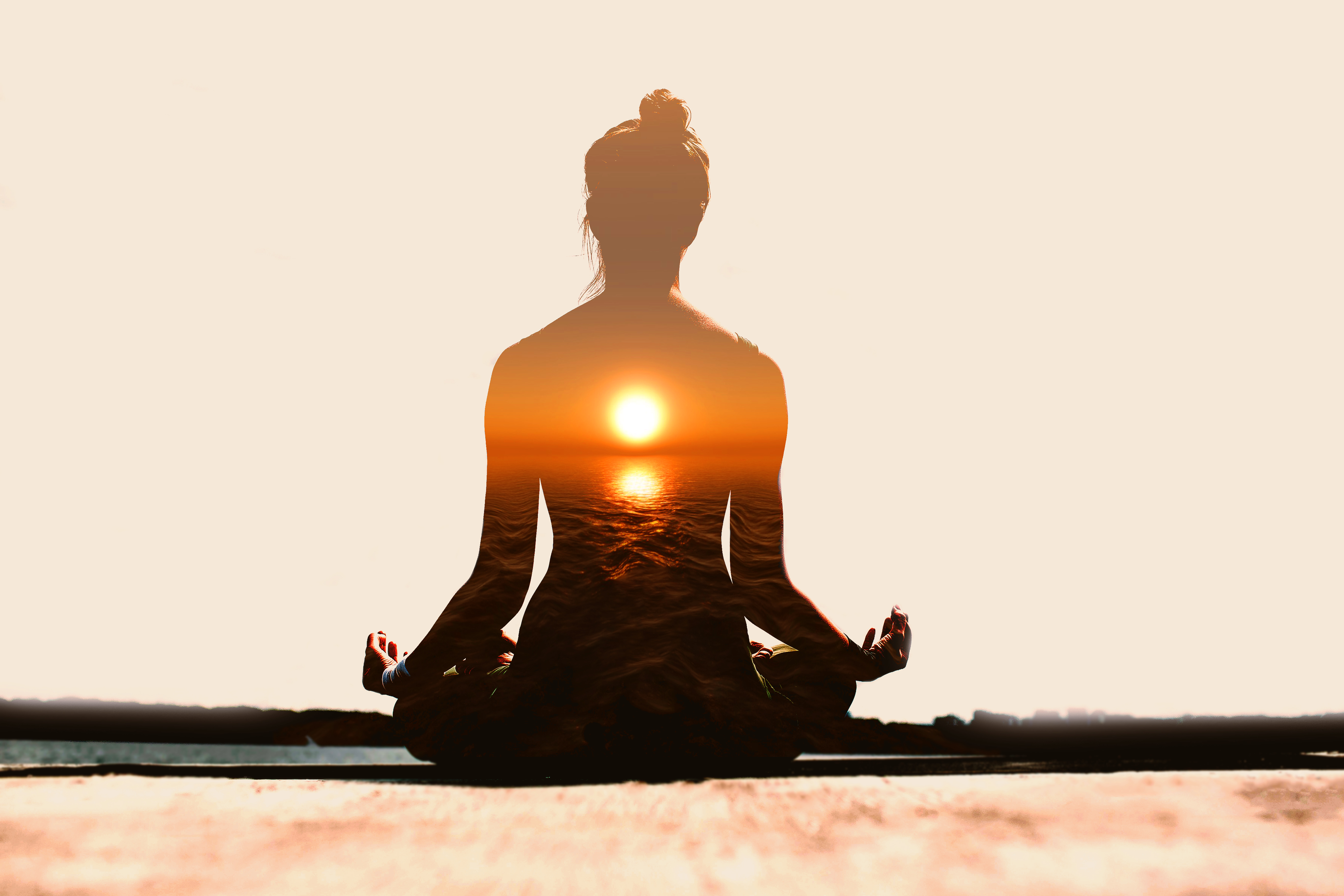
Finding Your Center: Guided Visualization for Emotional Balance During Cancer Treatment
Finding Your Center: Guided Visualization for Emotional Balance During Cancer Treatment
Cancer treatment often brings a flood of emotions that can feel overwhelming and isolating. You’re not alone in seeking ways to find calm and regain control during this tough time. Guided visualization offers a gentle, mind-body wellness tool that helps restore emotional balance and build resilience, giving you a quiet space of peace amid the storm. Join us as we explore how this simple practice can support your strength and clarity through every step. Learn more here.
Understanding Guided Visualization
Guided visualization is like a mental vacation, offering a break from stress. It can be a powerful tool for those navigating the challenges of cancer treatment, helping you find a peaceful center.
What Is Guided Visualization?
Imagine closing your eyes and stepping into a serene place. That's guided visualization. It involves picturing calming scenes or achieving specific goals in your mind. This practice isn't new. Athletes and professionals have long used it to stay focused and calm. You can use it too, especially during tough times. Through simple exercises, you create a safe space in your mind. This practice lets you take a mental break, reducing stress and tension. It's not about escaping reality; rather, it's about building resilience. Your mind becomes a refuge, offering peace and strength when you need it most.
Benefits for Emotional Balance
Guided visualization isn't just relaxing; it actively strengthens emotional balance. When you use it, your mind learns to handle stress better. Imagine your mind as a muscle. Visualization exercises strengthen it. These moments of mental clarity can lower anxiety and lift your mood. Think of it as self-care for your brain. Many people find they sleep better and feel more at peace. With each session, you're giving yourself a gift—a moment of tranquility in a busy world.
How It Supports Cancer Treatment
The journey of cancer treatment can feel daunting. Visualization offers support by promoting a calm mind. A relaxed mind can cope better with the demands of treatment. Visualization reduces stress, making room for clarity and hope. Studies suggest that a calm state can improve healing. When you visualize positive outcomes, you're nurturing your mind and body connection. This practice can complement other treatments, bolstering your overall well-being. By integrating visualization, you give yourself a gentle tool that supports your healing journey.
Techniques for Emotional Resilience

Harnessing the power of visualization can build emotional resilience. Let's explore some simple techniques that can be part of your healing toolkit.
Creating Positive Mental Images
Creating positive mental images is like painting a picture in your mind. These images can be places, memories, or dreams that bring you joy. Start by finding a quiet space. Close your eyes and imagine a scene that makes you happy. Picture every detail: the colors, sounds, and feelings. This technique centers you, shifting focus from stress to peace. Regular practice can be transformative. It teaches your brain to seek out positivity, building a reservoir of calm to draw from when needed. Remember, these images are uniquely yours. They are your personal sanctuary, offering comfort whenever you need it. Explore more about mental imaging here.
Reducing Stress and Finding Peace
Stress can be overwhelming, but visualization offers a path to peace. Begin with deep breaths, letting your body relax. Picture a wave of calm washing over you, easing tension with each breath. This process helps your body release stress, signaling to your brain that it's okay to relax. Consistent practice can shift your emotional state. Visualization can be a brief escape, giving you a moment to reset and recharge. You're not just imagining peace—you're creating it from within. The more you practice, the more natural it becomes, providing a constant source of tranquility amidst life's challenges. Discover more about stress reduction techniques here.
Integrating Visualization into Healing

Adding visualization to your daily routine can be a game-changer. Let's look at practical steps and hear from those who've benefited.
Practical Steps for Daily Practice
Incorporating visualization into your day is simple. Start small, dedicating just five minutes. Find a quiet spot, close your eyes, and take deep breaths. Picture a calming scene or a positive outcome. Focus on the details, letting them fill your mind. Consistency is key. Try to practice at the same time each day, making it a comforting ritual. Over time, you'll find that these moments of calm extend beyond your practice, influencing your overall mood. Visualization can become a trusted companion, always there to help you find balance and peace. Learn more about daily visualization practices here.
Testimonials from Cancer Survivors
Many cancer survivors have found strength in visualization. One survivor shared how picturing a peaceful garden helped during tough treatments. "Whenever I felt overwhelmed, I closed my eyes and went to my garden. It was my escape, my peace." Another found solace in imagining future moments with family, which fueled hope. These stories highlight the impact of visualization. It's a personal journey, but one that many have found invaluable. You're not alone on this path. The experiences of others can inspire and guide you, offering assurance that visualization can aid your journey.
🌟
Embracing guided visualization can open doors to emotional resilience and peace. It's not a replacement but a companion to your healing journey, providing a gentle, supportive tool. By exploring these techniques, you're taking a proactive step towards emotional well-being.
https://www.the-cancer-conversation.com/book-a-consultation