

Integrating Natural Therapies with Conventional Cancer Treatments Safely: A Holistic Approach
Integrating Natural Therapies with Conventional Cancer Treatments Safely: A Holistic Approach
Many people feel caught between conventional cancer treatments and natural therapies, unsure how to combine them safely. You want a path that supports your whole self—body, mind, and spirit—without risking your health. At The Cancer Conversation, we offer a holistic approach that guides you through integrative cancer care, helping you blend natural therapies with conventional treatments thoughtfully. Explore our 12-Step Cancer Recovery Program to learn how to take charge of your healing with confidence. Learn more here.
Understanding Natural Therapies
Exploring natural therapies for cancer can be enlightening. These methods focus on the whole person, not just the disease. They might be the piece you need to complete your healing puzzle.
Key Benefits in Cancer Care
Natural therapies offer benefits that complement traditional cancer treatments. They often include practices like acupuncture, herbal medicine, and meditation. Each has its unique way of helping your body. For example, acupuncture can help alleviate pain and nausea, making you feel more comfortable.
Herbal medicine might seem like just a cup of tea, but it's much more. Herbs like turmeric and ginger have shown to reduce inflammation and boost immunity. Imagine sipping on something that helps your body fight back! Read more about how herbs support cancer care here.
Meditation is another powerful tool. It helps calm your mind, reducing stress levels. When your mind is at ease, your body can heal better. It's a simple practice, but the results can be profound. Let's not overlook these natural helpers in your journey.
Ensuring Safe Practices
Safety is key when integrating natural therapies. It's crucial to understand how these therapies interact with your current treatments. Communication with your healthcare provider is essential. They can guide you in what is safe to try and what to avoid.
Research each therapy thoroughly. For instance, while some herbs are beneficial, others might interfere with medications. You can check reputable sources like this one to ensure you're on the right track.
Moreover, always start small. Test how your body reacts before diving deeper. This cautious approach ensures you reap the benefits without unwanted side effects. Remember, your safety is the priority.
Combining Therapies Safely

Blending natural therapies with conventional treatments can be tricky but rewarding. Let's explore how to do this with confidence, ensuring you get the best of both worlds.
Navigating Conventional Treatments
Conventional cancer treatments, such as chemotherapy and radiation, are the backbone of cancer care. They are powerful and often necessary. However, they can come with side effects. Here's where integrative methods come into play.
Integrating therapies like yoga or massage therapy can help manage these side effects. Yoga aids in flexibility and reduces fatigue, while massages can ease pain and anxiety. These practices provide a sense of relief, making conventional treatments more bearable. Discover more about complementary therapies.
Communication with your medical team is crucial. Share your interest in natural therapies and be open about your plans. They can offer insights on safe practices and help tailor a plan that suits your needs. This collaboration is vital for a balanced approach.
Achieving Balance in Care
Balance is the goal. Combining therapies requires careful planning. Start by listing your current treatments and any new therapies you wish to try. Discuss this list with your doctor to ensure compatibility.
Regularly evaluate how you feel. Are you noticing improvements? Less fatigue? More energy? Adjust your therapies based on these observations. Remember, it's a dynamic process. Your needs may change, and that's okay.
Embrace flexibility in your approach. Listen to your body—it often knows what it needs. By staying informed and adaptive, you can find the balance that works for you. This balance is the key to successful integrative cancer care.
Embracing a Holistic Approach
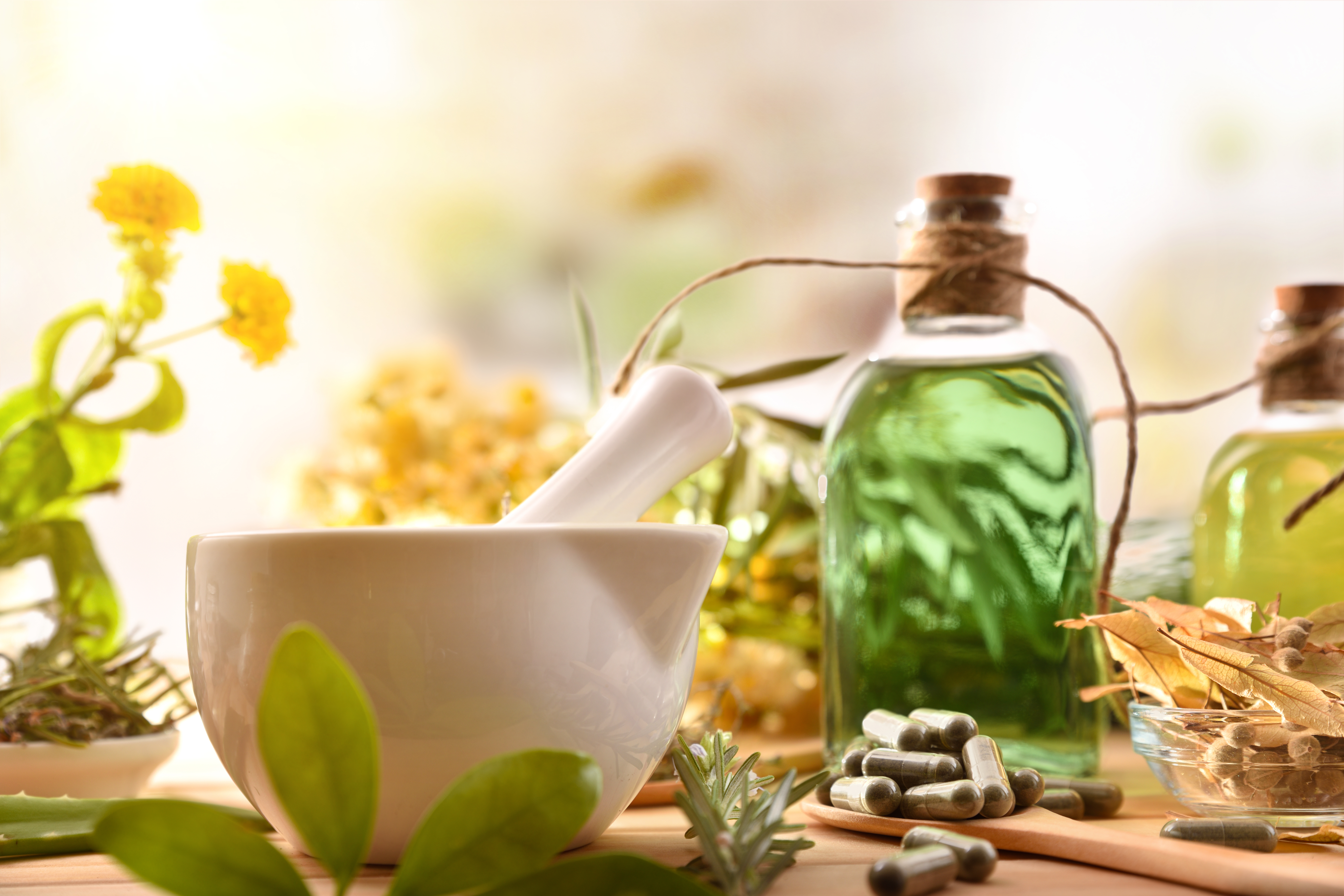
A holistic approach to cancer treatment can open doors to new possibilities. It considers your entire being—body, mind, and spirit. Let's dive into what makes this approach special.
Integrative Cancer Care Essentials
Integrative cancer care combines the best of traditional and natural therapies. It focuses on treating the whole person, not just the cancer. This approach can empower you, giving you a sense of control over your healing journey.
One essential aspect is nutrition. A balanced diet supports your body's strength and recovery. Foods rich in antioxidants, like berries and leafy greens, can help your body fight cancer. It's not just about eating; it's about nourishing your body with intent.
Physical activity is another core element. Even a short daily walk can boost your mood and energy levels. Exercise strengthens your body, making it more resilient. It's simple yet effective, contributing to your overall well-being.
Mind-Body Wellness for Recovery 🌿
Mind-body wellness is a crucial component of holistic care. It emphasizes the connection between your mental state and physical health. Practices like mindfulness and guided imagery can make a significant difference.
Mindfulness encourages you to live in the moment. It reduces stress and enhances mental clarity, which is vital during recovery. Guided imagery allows you to visualize healing, promoting a positive mindset. These practices can transform your recovery experience.
Most people think healing is just physical, but your mind plays a huge role too. By nurturing your mind, you support your body's healing process. This holistic approach empowers you to take charge of your health in a profound way.
Incorporating these elements into your routine can significantly impact your recovery. You are not just surviving; you are thriving. Embrace this journey with courage and confidence. Your holistic path awaits.
https://www.the-cancer-conversation.com/book-a-consultation