
Nourishing Your Body: Nutrition Tips to Boost Energy and Immunity During Chemotherapy
Nourishing Your Body: Nutrition Tips to Boost Energy and Immunity During Chemotherapy
Chemotherapy can drain your strength and shake your immune system, making each day feel heavier than the last. You’re not alone in facing these challenges, and small changes in nutrition during chemotherapy can make a real difference in how you feel. Let’s explore simple, practical ways to boost energy during chemo and strengthen immunity chemotherapy so you can regain control and feel more resilient every day.
Importance of Nutrition During Chemotherapy
As you navigate chemotherapy, focusing on what you eat can be a powerful way to support your body. Your meals can help you feel more energized and less fatigued. Understanding the role of nutrition is key.
Boost Energy During Chemo
Feeling drained is common during treatment. You might find yourself struggling to stay awake or lacking motivation. But there are ways to fight this. When you choose the right foods, you give your body the fuel it needs. For instance, complex carbs like whole grains release energy slowly, keeping you powered longer. Pair them with lean proteins such as chicken or fish to keep you full and satisfied.
Eating at regular intervals can also help. Instead of three big meals, try having smaller, frequent meals. This pattern helps keep your energy levels steady. You could start the day with oatmeal topped with berries, enjoy a mid-morning snack of yogurt and nuts, and have a light lunch like a salad with quinoa. Keeping your meals balanced not only helps with energy but also supports overall wellness.
Strengthen Immunity Chemotherapy
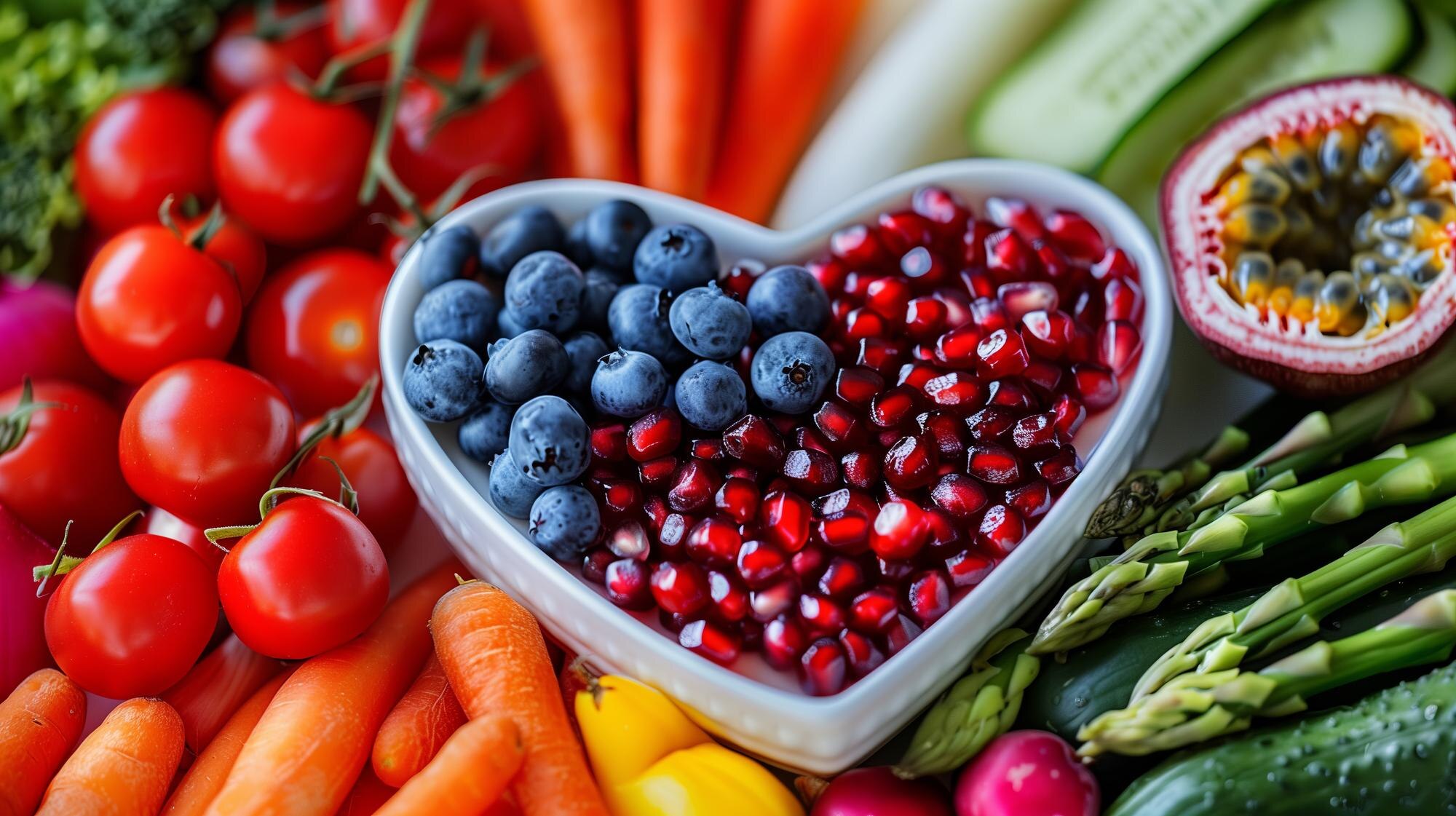
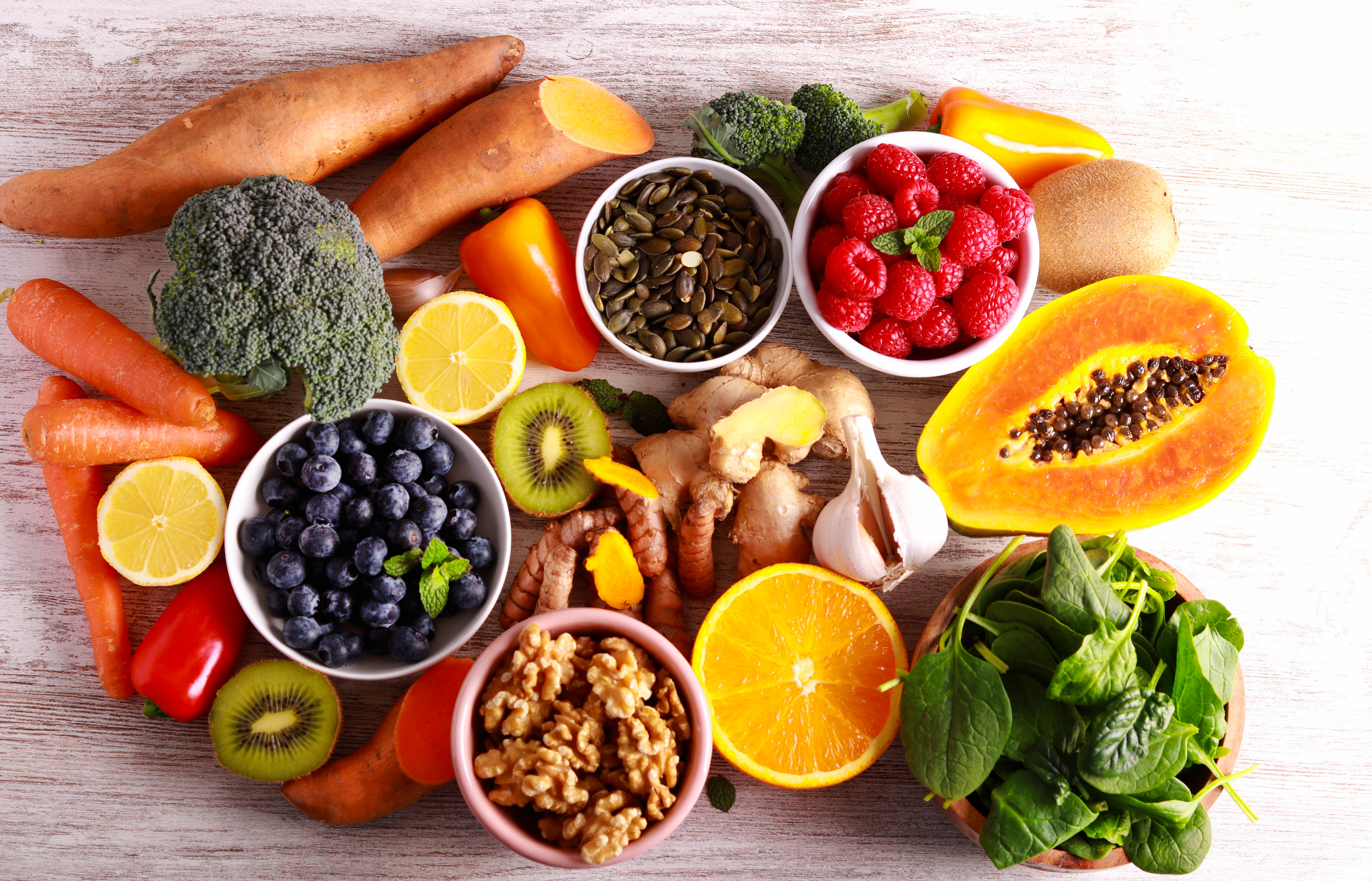
Your body's defenses can take a hit during chemotherapy. It's crucial to build them back up. Foods rich in vitamins and minerals play a big role here. Vitamin C, for example, is found in oranges and broccoli and can help your immune system. Zinc, found in nuts and seeds, also plays a critical role in immune health.
Don’t forget about hydration. Keeping hydrated helps your body function at its best. Aim to drink water throughout the day. Herbal teas can also be soothing and hydrating. Including a variety of fruits and vegetables in your diet ensures you get a range of nutrients. Each color in your produce offers different benefits, so mix it up with red peppers, green spinach, and purple eggplant.
Practical Chemotherapy Nutrition Tips
Now that you know how nutrition impacts your journey, let's dive into some specific tips. These will help you make choices that support energy and immune health.
Hydration and Balanced Meals
Staying hydrated is crucial. Water is essential for all your body’s functions and can help reduce treatment side effects. Carry a water bottle with you to remind yourself to drink. You might prefer sipping on herbal teas or flavored water if plain water isn’t appealing.
Balanced meals mean a mix of carbs, proteins, and fats. Think of your plate divided into sections: one part protein, one part carbs, and the remaining part filled with colorful vegetables. Try a simple stir-fry with chicken, bell peppers, and brown rice. This combination provides energy, supports muscle health, and adds to your nutrient intake.
Incorporating Immune-Boosting Foods
Adding immune-supportive foods to your diet can help your body stay strong. Garlic and ginger are known for their immune-boosting properties. Add them to soups or stews for flavor and health benefits. Probiotics, found in yogurt and fermented foods, can aid gut health, which is crucial for immunity.
Don’t overlook spices. Turmeric, for example, is known for its anti-inflammatory properties. A sprinkle of turmeric in your cooking can be beneficial. Aim to try one new immune-boosting food each week. This keeps your meals interesting and supports your health.
Holistic Cancer Care Approaches

Nutrition is a big piece of the puzzle, but it's not the only one. Exploring holistic approaches can complement your diet efforts.
Mind-Body Wellness for Recovery
Your mental health plays a key role in recovery. Practices like meditation and gentle yoga can help reduce stress and improve your mood. Consider setting aside a few minutes each day for mindfulness. This can be as simple as sitting quietly and focusing on your breath.
Connecting with others is also vital. Join support groups where you can share experiences and learn from others. This sense of community can provide emotional support and practical tips. Remember, taking care of your mind is just as important as caring for your body.
Personalized Nutritional Plans
Everyone’s journey is unique, and so is their nutritional needs. Working with a nutritionist can help tailor a plan to your specific situation. They can guide you on what to eat and how to handle treatment side effects.
Consider tracking how different foods make you feel. This can help identify what works best for your body. Keep a food diary, noting energy levels and any symptoms. This information can be invaluable when adjusting your diet and consulting with healthcare providers.
By focusing on nutrition, hydration, and holistic care, you equip yourself with tools to face chemotherapy challenges. Each small change can lead to significant improvements in how you feel. Remember, you’re not alone in this journey. Many have walked this path and found strength in the process. Keep nourishing your body and reaching for support. Your resilience is powerful and can guide you through.