
Building a Health Stack: Lessons from the Tech Industry
Embarking on a cancer recovery journey can feel like navigating an uncharted path, but creating a personalized health stack can empower you to take control of your wellness. Drawing inspiration from the tech industry, where customizable solutions lead the way, you can build an integrative plan that combines holistic cancer care with mind-body wellness practices. This approach allows you to tailor your experience to match your unique needs, fostering resilience and hope. As your trusted advisor, I'm here to guide you through constructing a health stack that supports your recovery, encouraging you to embrace each step with courage and optimism. 🌟 Learn more about tech stacks here.## Building Your Personalized Health Stack
Creating a personalized health stack is much like building a tech stack. It involves integrating various elements that work together to improve your overall wellness. By drawing inspiration from technology, we can design a wellness blueprint tailored to support your healing journey.
Drawing Inspiration from Tech
The tech industry thrives on customization and integration, principles that can be applied to health.
Customization allows you to focus on specific needs, just as software developers create solutions for particular problems. Similarly, a health stack should cater to your personal health requirements, blending different treatments and practices.
Integration in tech ensures that all components work seamlessly together. In your health stack, this means balancing medical treatments with lifestyle choices to create a cohesive plan.
To understand how tech stacks work, you may explore this guide from Vitamin Software. It provides a foundational understanding of tech components, which you can parallel to elements in your health journey, like nutrition, exercise, and therapy.
Creating Your Wellness Blueprint
Creating Your Wellness BlueprintBuilding a wellness blueprint involves a strategic approach, much like assembling a tech stack.
1. Identify Core Needs: Determine what health aspects need attention, such as physical fitness, mental health, or nutritional support.
2. Select Compatible Elements: Choose therapies and lifestyle changes that align with your goals. Consider both natural and conventional options.
3. Evaluate and Adjust: Regularly assess the effectiveness of your health stack components and make necessary adjustments.
Think of this process as an evolving plan, similar to how tech startups regularly pivot their strategies. Explore more on creating tech stacks here.
Integrating Holistic Cancer Care
Holistic cancer care merges natural and conventional treatments, offering a comprehensive approach to recovery.
Combining Natural and Conventional Treatments
A balanced integration of treatments can enhance recovery. Conventional treatments like chemotherapy can be complemented by natural therapies such as acupuncture or herbal medicine.
Conventional Treatments: Focus on medical approaches including surgery, radiation, and chemotherapy.
Natural Therapies: Include practices like yoga, meditation, and dietary supplements aimed at supporting the body's healing processes.
The key is to maintain open communication with healthcare providers to ensure that natural therapies complement rather than interfere with conventional treatments. Learn more about balancing healthcare approaches here.
Embracing Mind-Body Wellness Practices
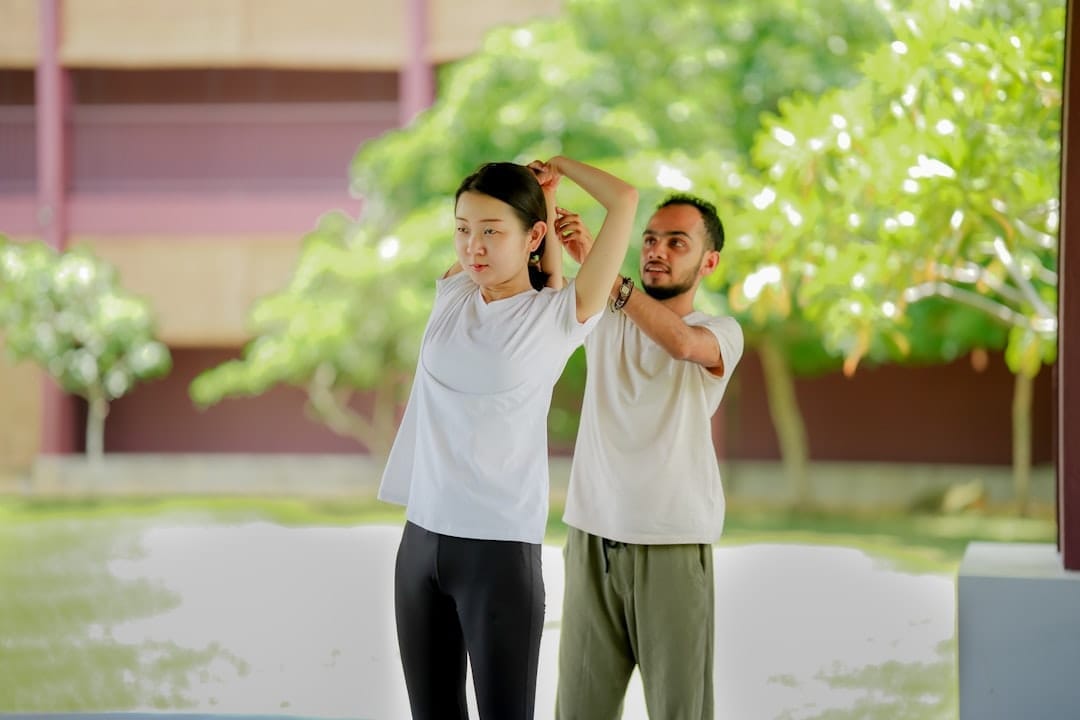
Mind-body practices are essential in holistic cancer care. Practices like meditation, yoga, and tai chi can significantly reduce stress and improve emotional well-being.
Meditation: Enhances focus and reduces anxiety, fostering a sense of peace.
Yoga: Improves flexibility, strength, and mental clarity.
Tai Chi: Promotes harmony between mind and body.
By consistently practicing these activities, you can nurture your body and mind, creating a supportive environment for healing. For more insights on integrating mind-body practices, visit Rectangle Health.
Empowering Your Cancer Recovery
Taking control of your recovery can foster resilience and hope, empowering you to navigate your health journey with confidence.
Tailoring Support to Your Needs
Every individual's journey is unique, requiring personalized support.
Personalized Support can involve tailored dietary advice, specific exercise regimens, or therapy sessions to address emotional needs.
By engaging with healthcare professionals who understand your specific circumstances, you can receive guidance that aligns with your goals. Discover ways to personalize healthcare support with this article.
Fostering Resilience and Hope 🌟
Building resilience involves cultivating a positive mindset and coping strategies.
Positive Mindset: Focus on what you can control and celebrate small victories.
Coping Strategies: Develop techniques to manage stress, such as journaling or breathing exercises.
By fostering these qualities, you can maintain hope and strength throughout your recovery process. Resilience is not just about enduring hardships but thriving despite them. This mindset will empower you to face your challenges head-on. 🌟
Explore The Cancer Conversation for expert insights on natural and alternative cancer treatments. Discover holistic approaches, empowering advice, and evidence-based solutions to support your journey to wellness.







Opening Hours
charles@the-cancer-conversation.com
USA: +1-347-783-9136
UK: +44-743-204-9155
Monday to Friday, 9am to 6pm
Copyright © 2026 The Cancer Conversation. All rights reserved.